
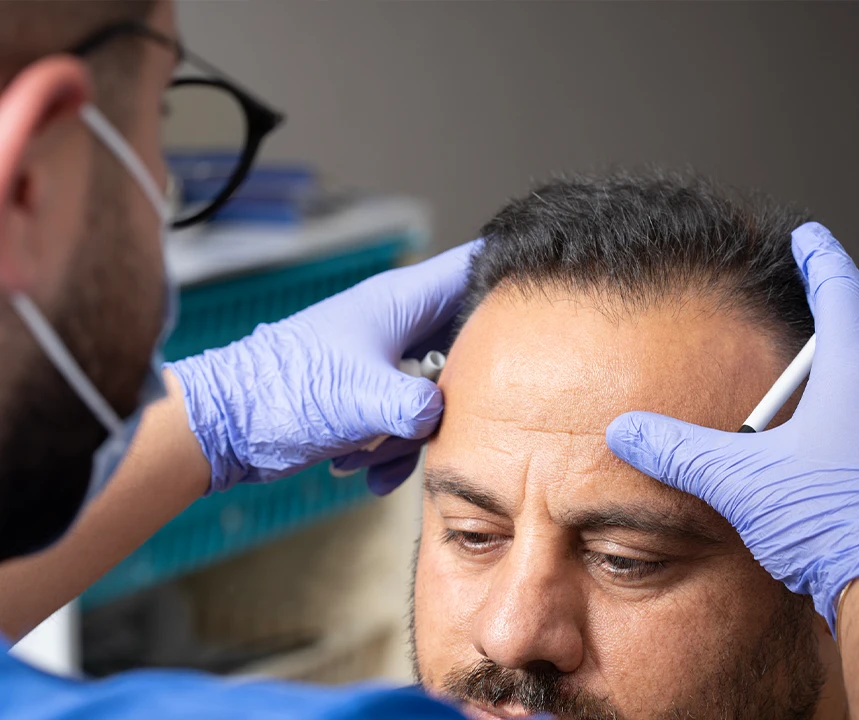
If you have been researching hair transplants, you have likely run into two terms again and again: FUE and NeoGraft. It is natural to wonder: do most hair transplant surgeons use manual FUE or NeoGraft, and which one is better for you? The two are not completely different surgeries. NeoGraft and manual FUE are two ways of doing the same type of procedure. The only difference is the tool used to take healthy hairs from the back of your head before they are moved to thinning areas.
There is no one-size-fits-all answer, because surgeons choose their tools based on their training and what suits each patient. Some use manual tools, some use powered devices like NeoGraft, and some use other systems. That is why the question “do most hair transplant surgeons use manual FUE or NeoGraft” has no single answer. What stays the same is the basic idea: both methods move hairs from the back and sides of the scalp to the places where you have lost hair. What changes is how those hairs are lifted out:
In both cases, a trained surgeon is in control from start to finish.
Manual FUE is meticulous, repetitive work. The surgeon removes each small group of hairs one at a time, often hundreds or thousands over the course of a procedure. Many surgeons value this method because it gives them direct, hands-on feedback as they work. Skilled surgeons manage the physical demands of a long session through careful pacing, and manual FUE can produce excellent results in experienced hands.
Think of NeoGraft as an advanced instrument in the hands of a skilled plastic surgeon. The surgeon still decides which hairs to take, where to take them from, and how to protect the donor area so it looks natural afterward. The instrument supports the repetitive part of the process, which lets the surgeon focus on those decisions.
A published review of hair extraction systems notes that powered devices can reduce the physical strain of long procedures and produce cleaner incisions. The same review points out that some surgeons still prefer manual tools for the control and feel they offer. Neither approach is automatically better.
Myth 1: “NeoGraft means a machine does my surgery.” It doesn’t. The International Society of Hair Restoration Surgery cautions that calling these systems “automated” is misleading, because the surgeon still performs and oversees the work.
Myth 2: “Newer technology always means better results.” Not necessarily. The same society notes there is no single “best” method, because hair removal is personalized to each patient.
Myth 3: “Doing it by hand is automatically more careful.” Surgeon training and experience matter more than whether a tool is manual or powered. Skilled surgeons achieve excellent results with either approach.
The removal tool is one step in a long process. What you will notice in the mirror comes down mostly to planning and artistry:
This is why the surgeon matters more than the device. Dr. Ambay designs your hairline himself and oversees every step of your procedure.
Dr. Ambay is a plastic surgeon trained to work with tiny structures, and he prefers FUE because of its precision. He pairs it with NeoGraft technology to support that precision during the removal step. For you, that means steady, careful handling of the hairs that will become your new hairline.
NeoGraft is not the right answer for every head of hair, and a good surgeon will tell you so. Your hair type, the strength of your donor area, and your goals all play a part in choosing the best approach.
If you are comparing hair transplant options near you in the Tampa Bay area, bring the same questions to every consultation:
A good surgeon answers these plainly. Be wary of any practice that sells you a machine instead of explaining a plan.
Articles like this one can explain how the tools work. They can’t tell you how your donor hair looks up close, how your hair loss is likely to progress, or whether now is the right time to act. Those answers come from an in-person look at your scalp and an honest conversation about what you want.
So, do most hair transplant surgeons use manual FUE or NeoGraft? Both are widely used, and the better question is which one fits your hair and your goals. Many people arrive worried they will pick the wrong technique. In most cases, the real task is finding the right surgeon and a clear plan, and the technique follows from that.
If you are ready for that conversation, you can start with a hair transplant consultation with Dr. Ambay and leave with a clear, personal answer about which approach fits you.
Dr. Ambay is a double board-certified plastic surgeon who specializes in cosmetic surgery of the face and body. He performs a wide range of aesthetic treatments at his Florida practice.
MEET DR. AMBAY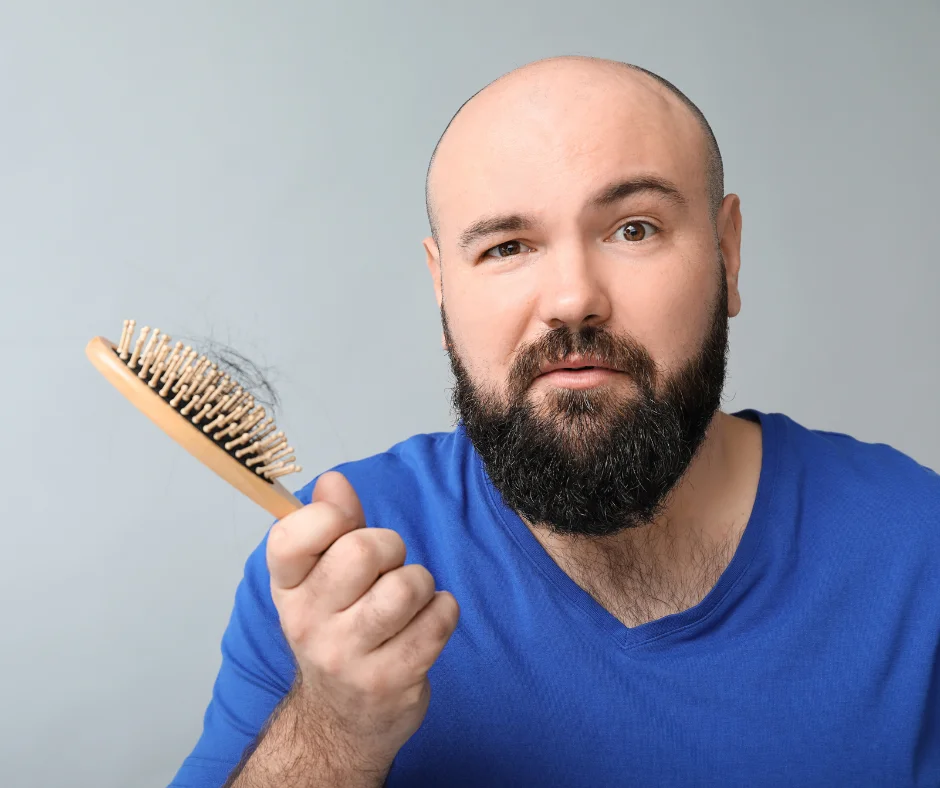
May 6, 2025
Seeing extra hair on your pillow, in the shower drain, or noticing a receding hairline can be unsett ...

May 5, 2025
Hair loss isn’t just a cosmetic concern—it’s a deeply personal experience that affects confide ...

Double Board-certified plastic surgeon

Most importantly a surgeon who truly cares and takes pride in his work

Advanced technology and surgical technique

Highest standard of precision and care

Awarded the President’s Award from the American Society of Plastic Surgeons

Extensive expertise

Dr. Raj Ambay is a well respected and trusted surgeon in Wesley Chapel. His work speaks for itself when you look at his patients’ before and after photos. Call 813-406-4448 and book your appointment to discuss the concerns that you may have.
Ambay Plastic Surgery is conveniently located in Wesley Chapel and frequently serves patients from all over the surrounding Tampa Bay area and beyond.
